
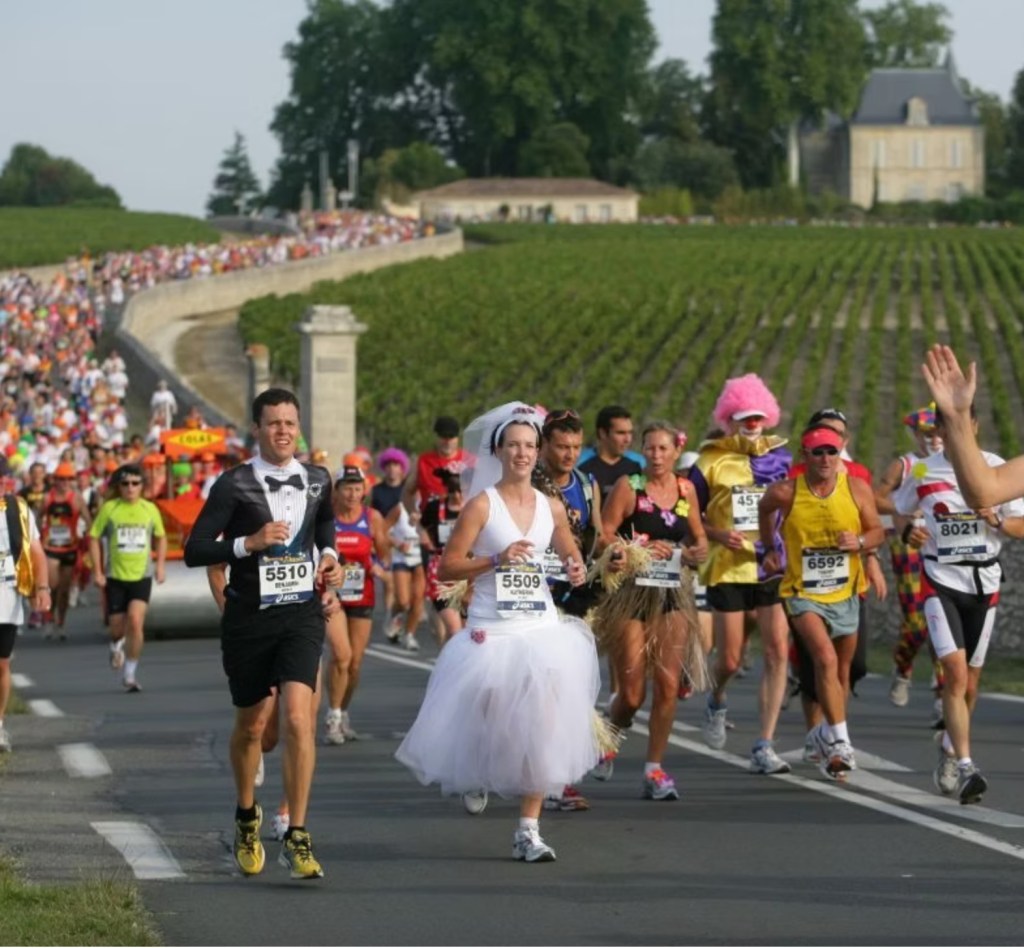
Burnout is the wall of modern life. Just like the marathon runner who hits the 30th kilometer and feels their strength vanish, millions of people around the world today experience a collapse of energy, motivation, and meaning.
According to estimates, 14% of the active population in France — about 4.3 million people — are living with burnout. The most affected sectors are healthcare, education, law enforcement, and technology, with a devastating impact on productivity, healthcare systems, and social life.
What is burnout?
- Physical and emotional exhaustion
- Cynicism and detachment
- Loss of effectiveness
It is always accompanied by measurable physical changes: hormonal imbalance, chronic inflammation, immune deficiency, and cardiovascular risk.
Warning signs
- Persistent fatigue, even after rest
- Insomnia or non-restorative sleep
- Irritability and loss of motivation
- Recurrent physical pain (headaches, digestive issues)
- Detachment from colleagues, friends, and family
Often, the person suffering from burnout does not realize their condition. It is also up to colleagues and family to recognize the signs.
Who suffers the most?
- Frontline workers: nurses, teachers, drivers (high workload, low autonomy)
- Middle management: team leaders and supervisors (pressure from above and below)
- Executives: directors and entrepreneurs (strategic responsibility, risk of sudden collapse)
Economic and social costs
- Absenteeism, staff turnover, and loss of productivity
- Increase in physical and mental illnesses
- Erosion of human capital and social cohesion
EU estimates: over €100 billion per year.
Hidden resources
Just as the marathon runner finds renewed energy after hitting the wall, burnout can also reveal deep inner resources:
- Biological: sleep, nutrition, exercise
- Psychological: coaching, psychotherapy, resilience
- Existential: rediscovering meaning and purpose
The Neuro-Metabolic Balance Method
Created from multidisciplinary experience as a physician, MBA, coach, and NLP practitioner, this method integrates:
- Psychological management: coaching, NLP, goal redefinition
- Metabolic management: sleep, nutrition, exercise, hormonal balance
- Personal strategy: planning, prioritization, sustainable routines
Prevention and prophylaxis
- Individual: sleep, nutrition, exercise, emotional management, leisure
- Organizational: empathetic leadership, flexible schedules, psychological support
- Societal: public mental health policies, awareness campaigns
Epilogue – The Crossing
Burnout is the 30th kilometer of our civilization.
It is not the end of the race, but the beginning of a new way of living.
Just as every top athlete has a coach to help them through the hardest moments, every worker, every citizen, deserves the same kind of support. Coaching should not be a privilege reserved for the elite — it should be democratized as a tool for prevention, overcoming, and transformation.
The wall of burnout can be a barrier — or a passage.
The choice is ours.
 MÉTHODE JOAQUIM COUTO
Leave a comment